
Panama Cloth Service Jacket
Panama Cloth Service Jacket
Regular price
$298.00
Regular price
$398.00
Sale price
$298.00
Unit price
per
-
 NEW
NEW -
 NEW
NEW -
 NEW
NEW -
 NEW
NEW -
 NEW
NEW -
 NEW
NEW


Product Details
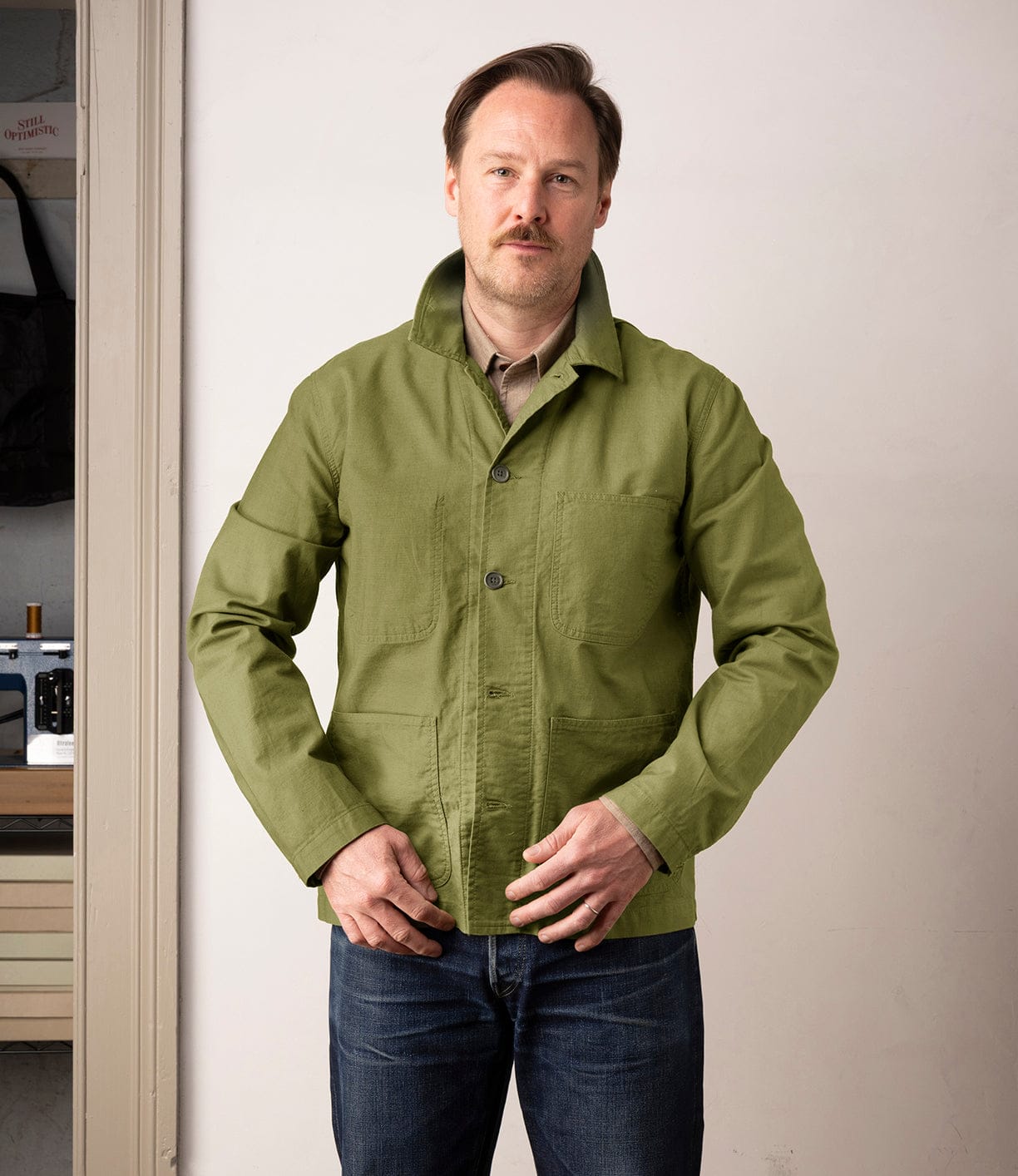
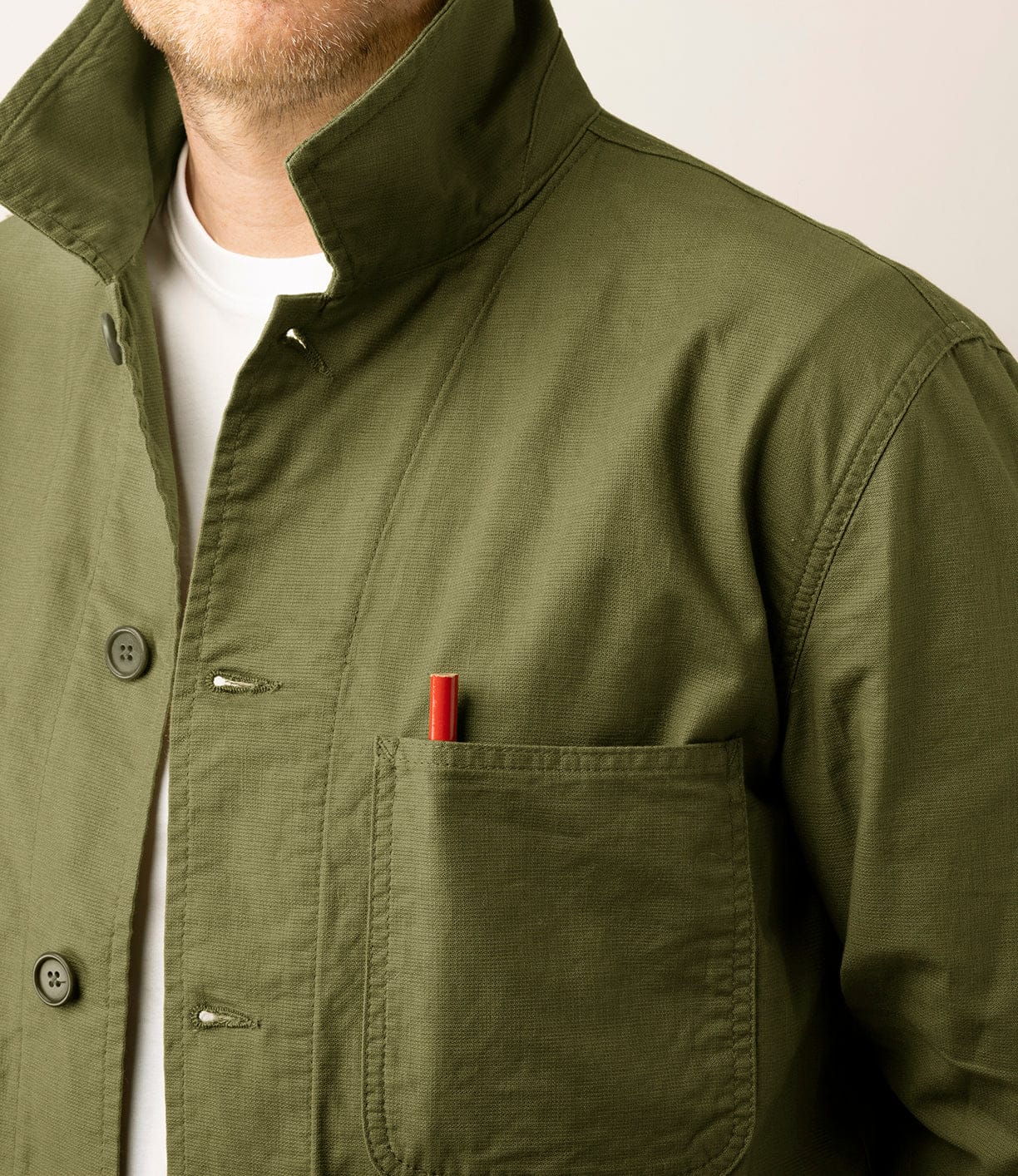
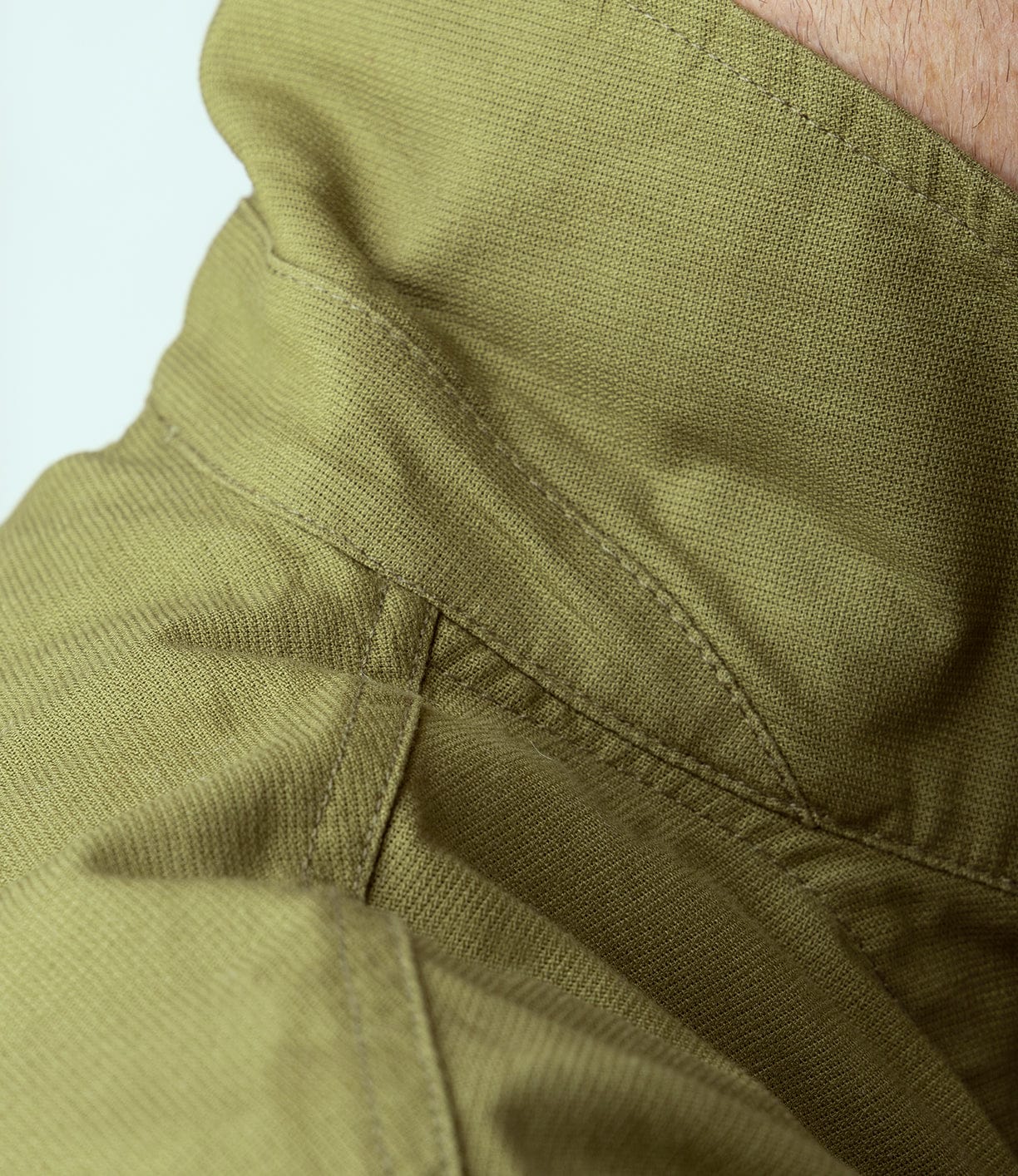
The fabric in this edition of our Service Jacket traces its origins to a specific problem: how to dress a soldier in the tropics. Military uniform designers of the 1960s and '70s needed something that could handle sustained heat and humidity without compromising durability or movement—the result was a lightweight open weave we now call Panama Cloth.
Our Panama Cloth is woven in Ibara City, Okayama Prefecture, at a mill established in 1962. The mill uses dobby looms to produce the characteristic unevenness of the weave, a process requiring both precision equipment and accumulated knowledge. Finishing takes place in Hamamatsu City, Shizuoka Prefecture, at a facility founded in 1941 that has shaped the dyeing and finishing standards for domestic and international brands alike. The warm climate and the water of the Tenryu River have made this region a center of integrated textile production for over a century.
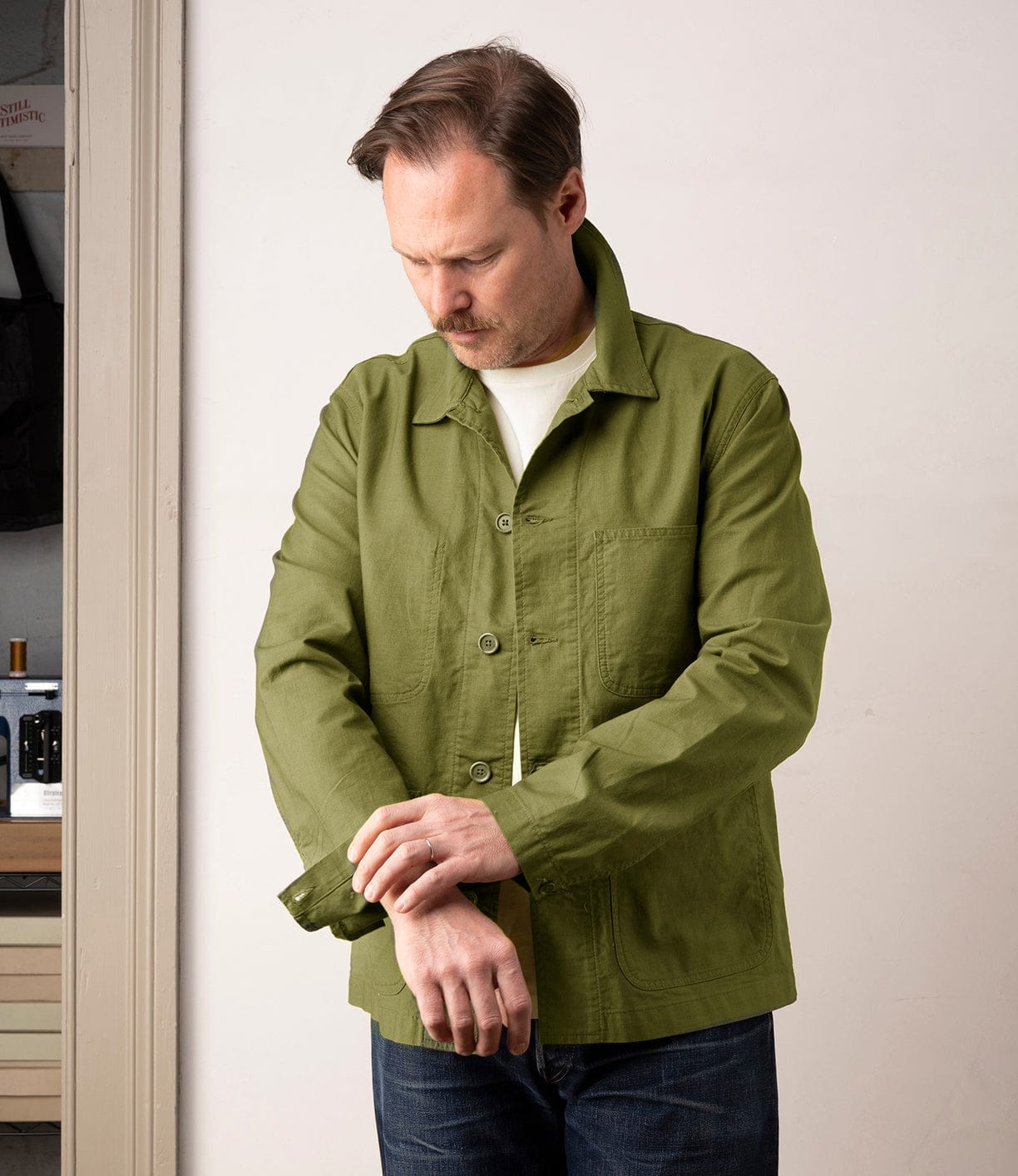
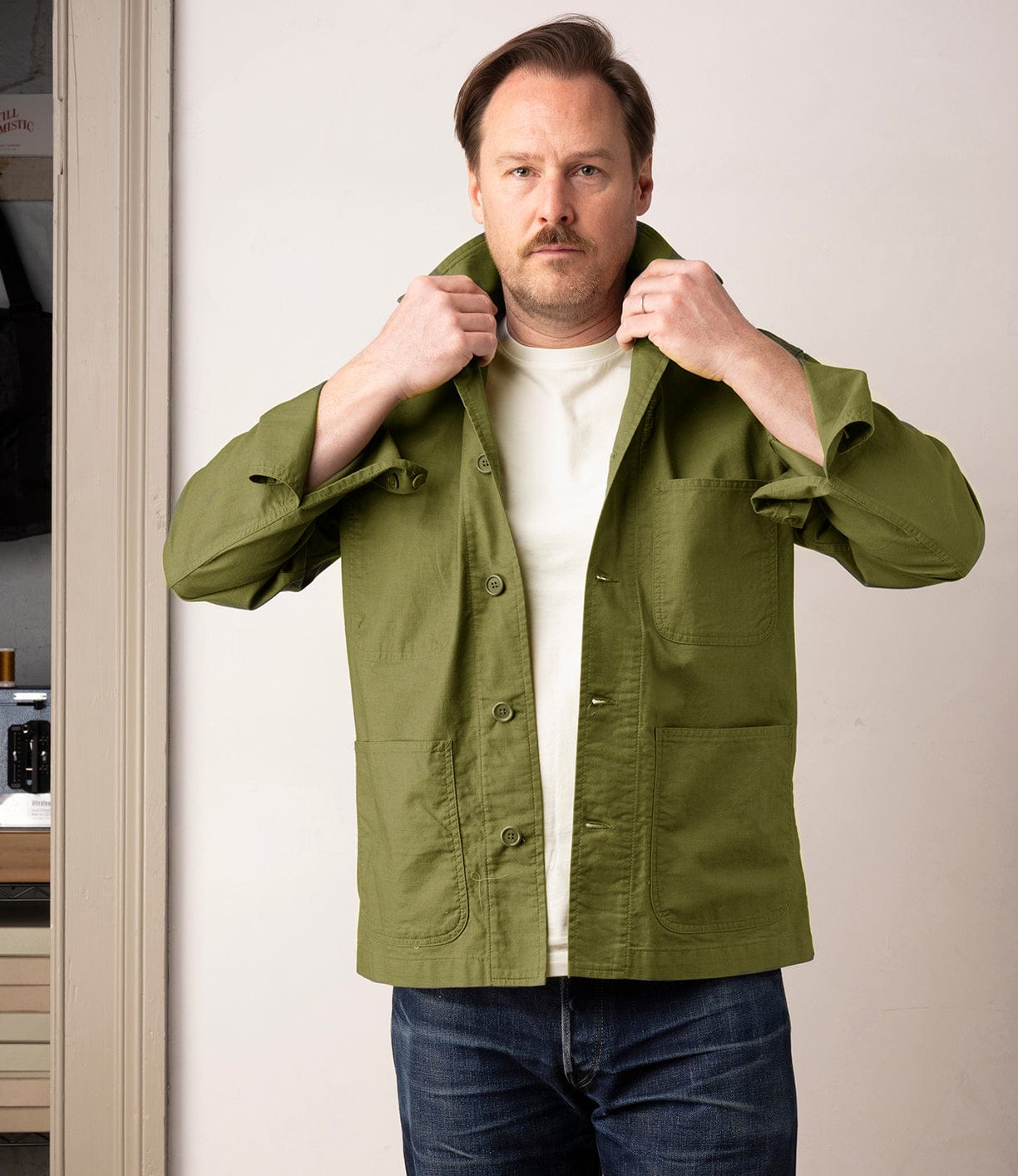
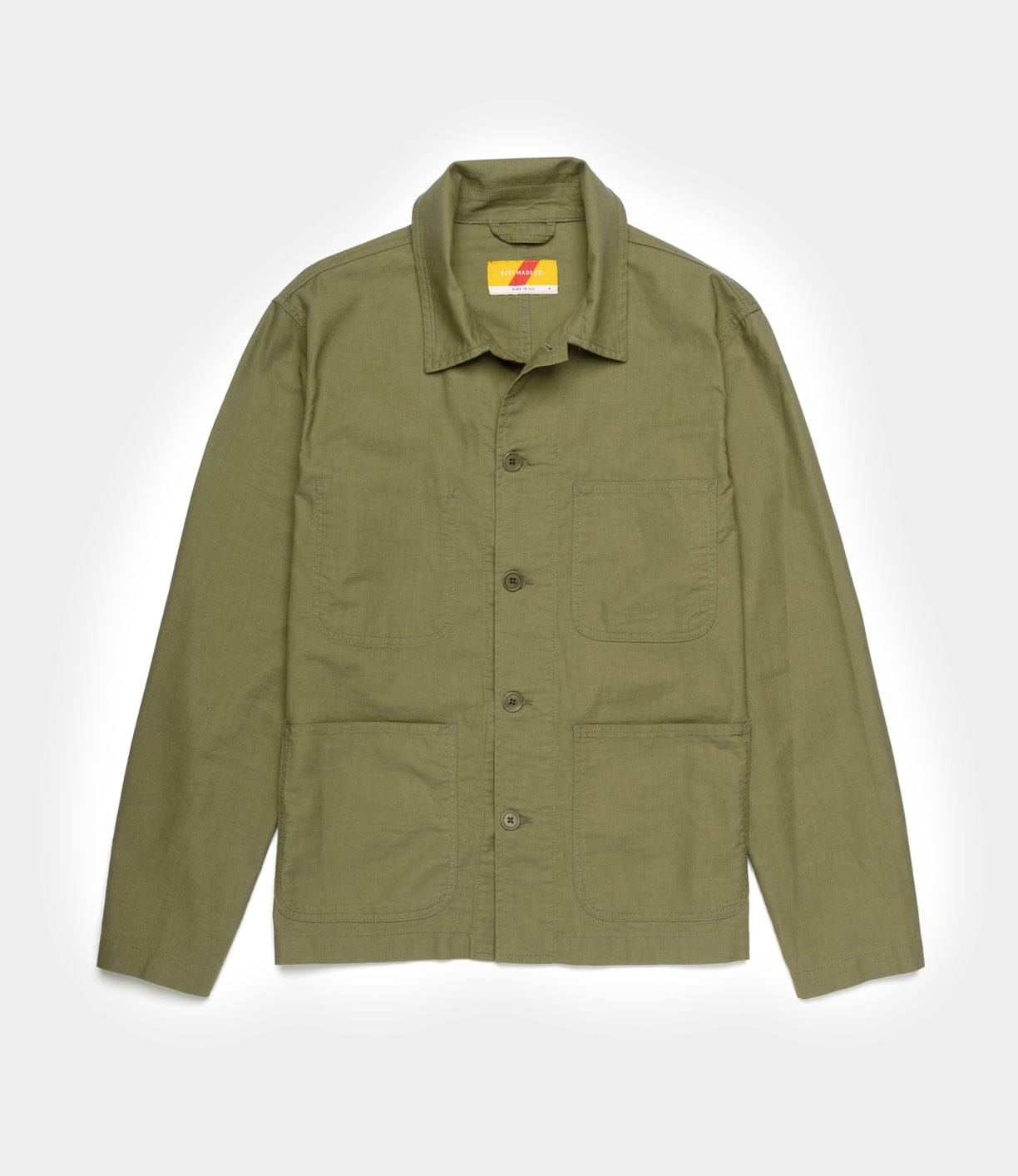
The P-41 emerged in 1941 as the U.S. Marine Corps sought a practical field uniform to replace earlier designs. Built for the Pacific theater, it needed to withstand tropical humidity and rugged use while allowing freedom of movement in combat conditions. The simple four-pocket design, reinforced stitching, and tall collar became defining features—functional elements born from actual field requirements. After proving itself through the island campaigns of World War II, the P-41's utilitarian design influenced American workwear for decades, becoming a template for jackets that prioritize durability and utility.
Our Panama Cloth is woven in Ibara City, Okayama Prefecture, at a mill established in 1962. The mill uses dobby looms to produce the characteristic unevenness of the weave, a process requiring both precision equipment and accumulated knowledge. Finishing takes place in Hamamatsu City, Shizuoka Prefecture, at a facility founded in 1941 that has shaped the dyeing and finishing standards for domestic and international brands alike. The warm climate and the water of the Tenryu River have made this region a center of integrated textile production for over a century.
The P-41 emerged in 1941 as the U.S. Marine Corps sought a practical field uniform to replace earlier designs. Built for the Pacific theater, it needed to withstand tropical humidity and rugged use while allowing freedom of movement in combat conditions. The simple four-pocket design, reinforced stitching, and tall collar became defining features—functional elements born from actual field requirements. After proving itself through the island campaigns of World War II, the P-41's utilitarian design influenced American workwear for decades, becoming a template for jackets that prioritize durability and utility.

- 100% cotton
- natural corozo buttons
- natural corozo buttons
Our Service Jacket has been rinsed and comes pre-shrunk.
Machine wash cold with similar colors. Use mild detergent and avoid bleach. For optimal longevity, turn inside out before washing. Line dry to maintain structure and prevent shrinkage. Iron on medium heat if needed.
Machine wash cold with similar colors. Use mild detergent and avoid bleach. For optimal longevity, turn inside out before washing. Line dry to maintain structure and prevent shrinkage. Iron on medium heat if needed.
Made in the USA