

Sailor’s Knife
Sailor’s Knife
Regular price
$320.00
Regular price
Sale price
$320.00
Unit price
per
-
 NEW
NEW -
 NEW
NEW -
 NEW
NEW -
 NEW
NEW -
 NEW
NEW -
 NEW
NEW -
 NEW
NEW -
 NEW
NEW


Product Details
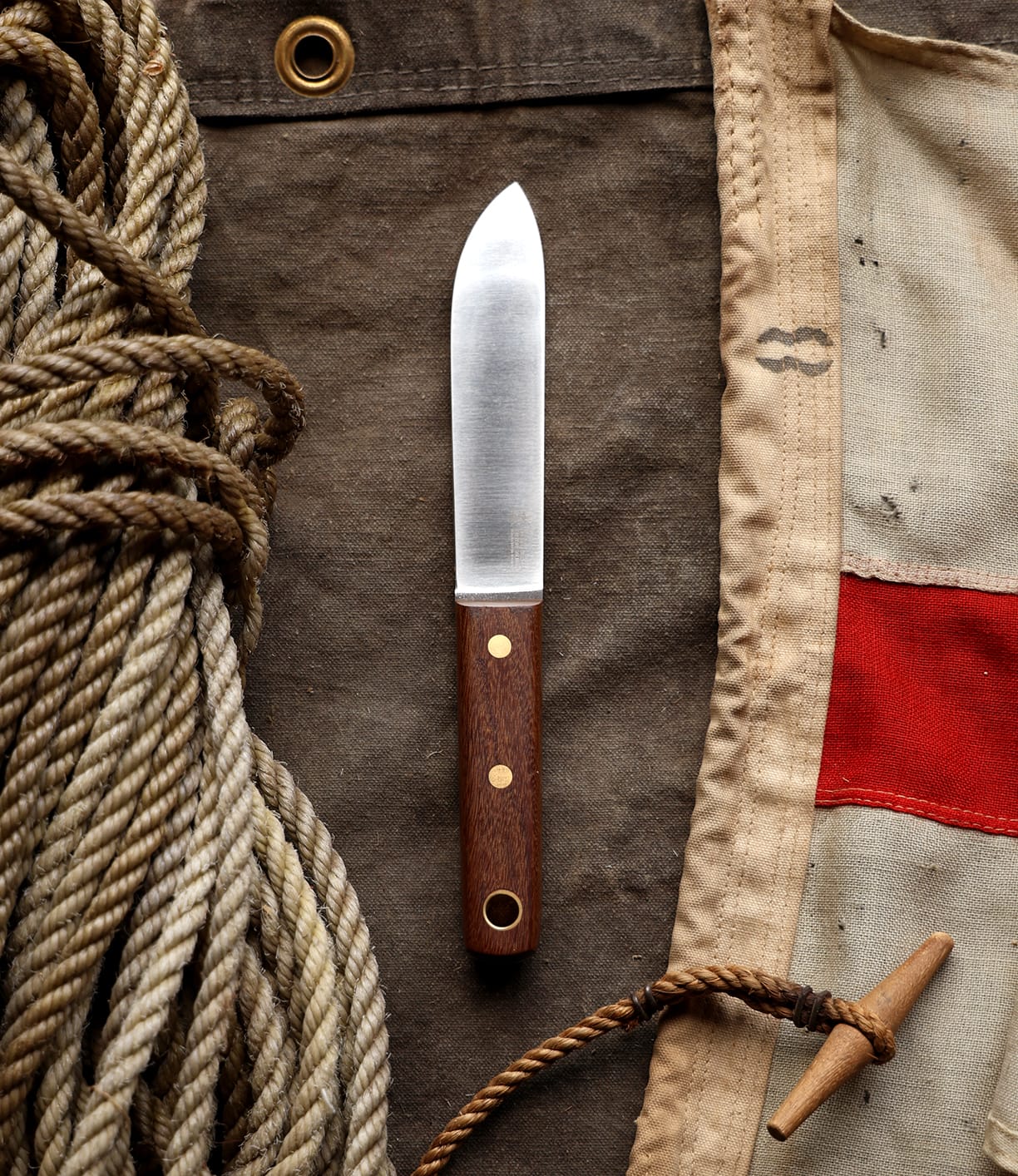
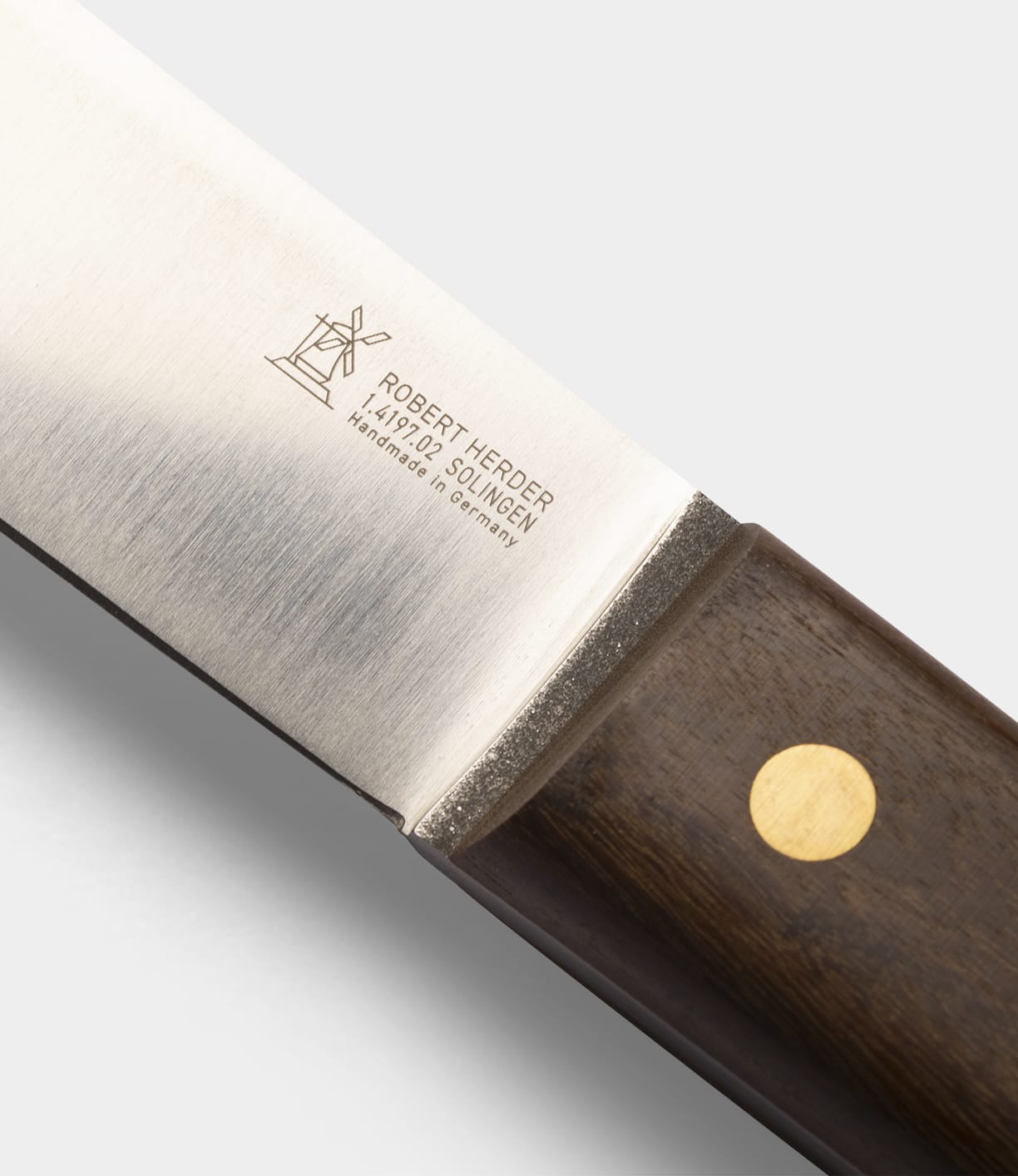
In 2003, the German Navy issued a tender: they needed a working knife for life at sea. Not a showpiece, but a tool that could cut rope, work rigging, and mend sail, day after day, in salt air. Robert Herder, the Solingen workshop that has made knives under the windmill mark since 1872, answered the call.
When the Chagres River was dammed in 1913 to create the Panama Canal, the rising water flooded a stand of old-growth forest. Those trees have been lying on the bottom ever since. Full submersion is a kind of preservation: no rot, no insects, no fungus — the very conditions that destroy wood on land can't reach it underwater. A century later, salvage crews raised the logs in near-perfect condition.
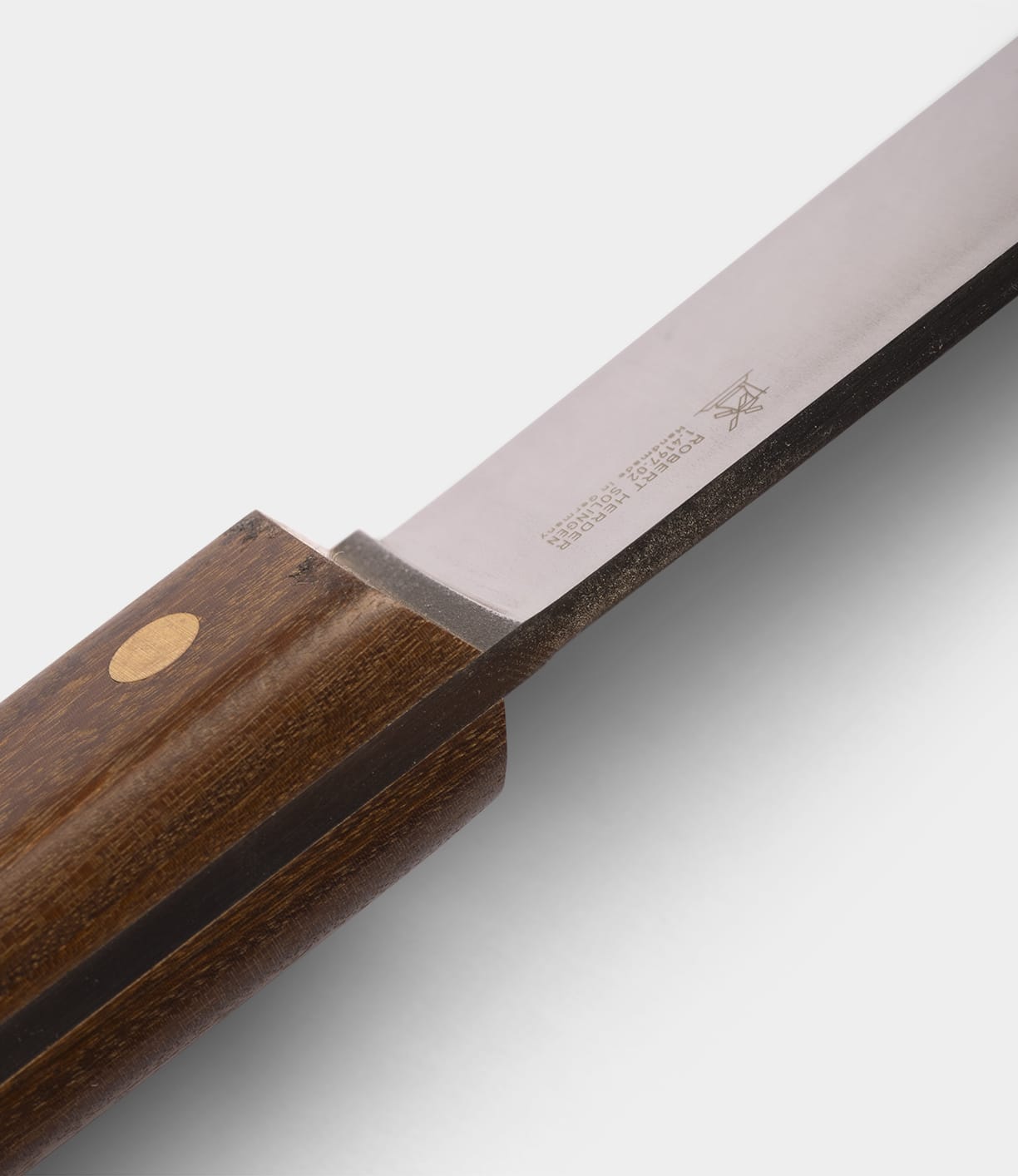
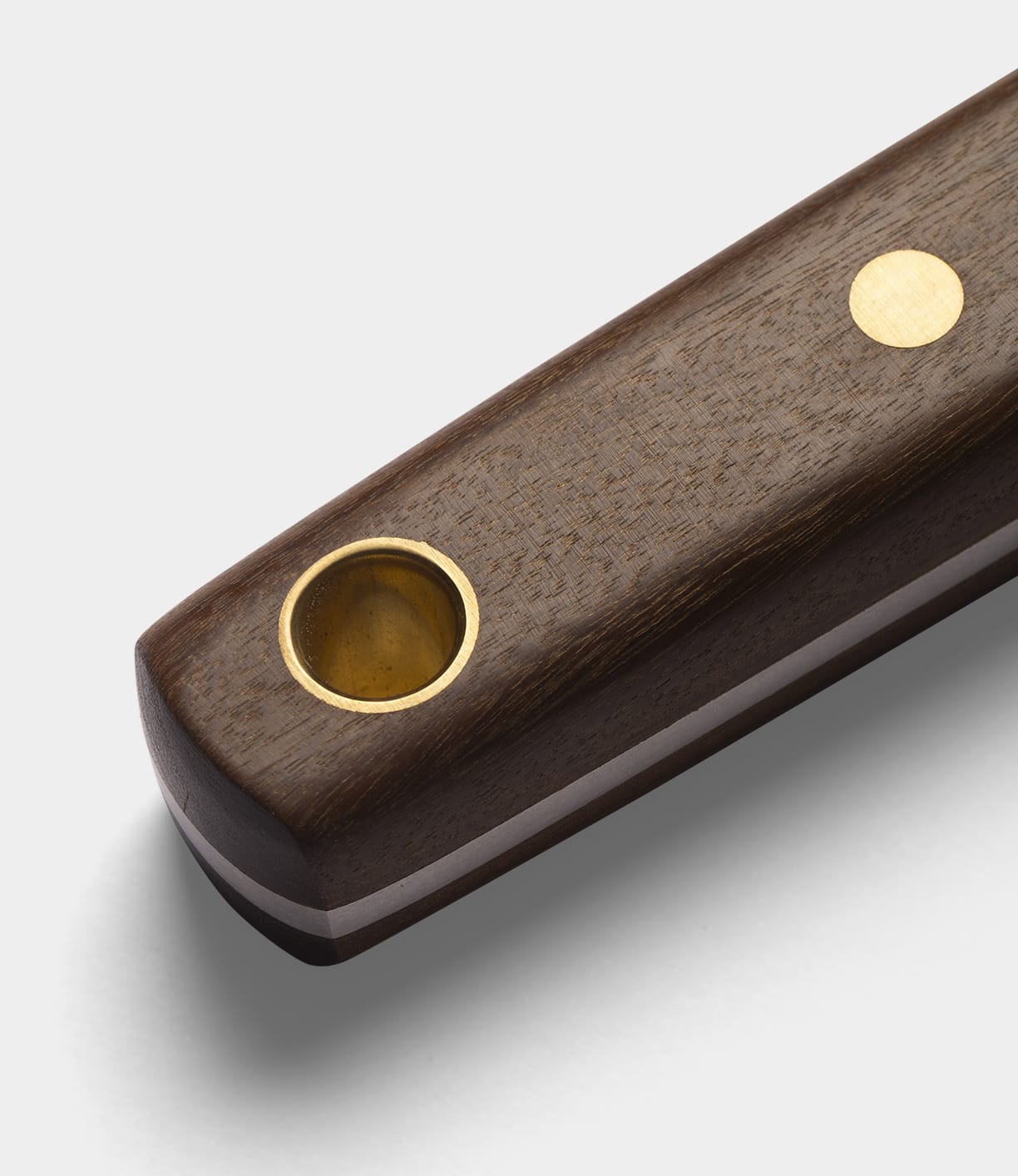
Cumarú is exceptional even among salvaged hardwoods. With a hardness of about two and a half times that of white oak, it's one of the densest, most durable woods ever used in knife-making. And a hundred years underwater has only made it more dimensionally stable, which is exactly what you want in a handle destined for salt air and wet hands.
When the Chagres River was dammed in 1913 to create the Panama Canal, the rising water flooded a stand of old-growth forest. Those trees have been lying on the bottom ever since. Full submersion is a kind of preservation: no rot, no insects, no fungus — the very conditions that destroy wood on land can't reach it underwater. A century later, salvage crews raised the logs in near-perfect condition.
Cumarú is exceptional even among salvaged hardwoods. With a hardness of about two and a half times that of white oak, it's one of the densest, most durable woods ever used in knife-making. And a hundred years underwater has only made it more dimensionally stable, which is exactly what you want in a handle destined for salt air and wet hands.

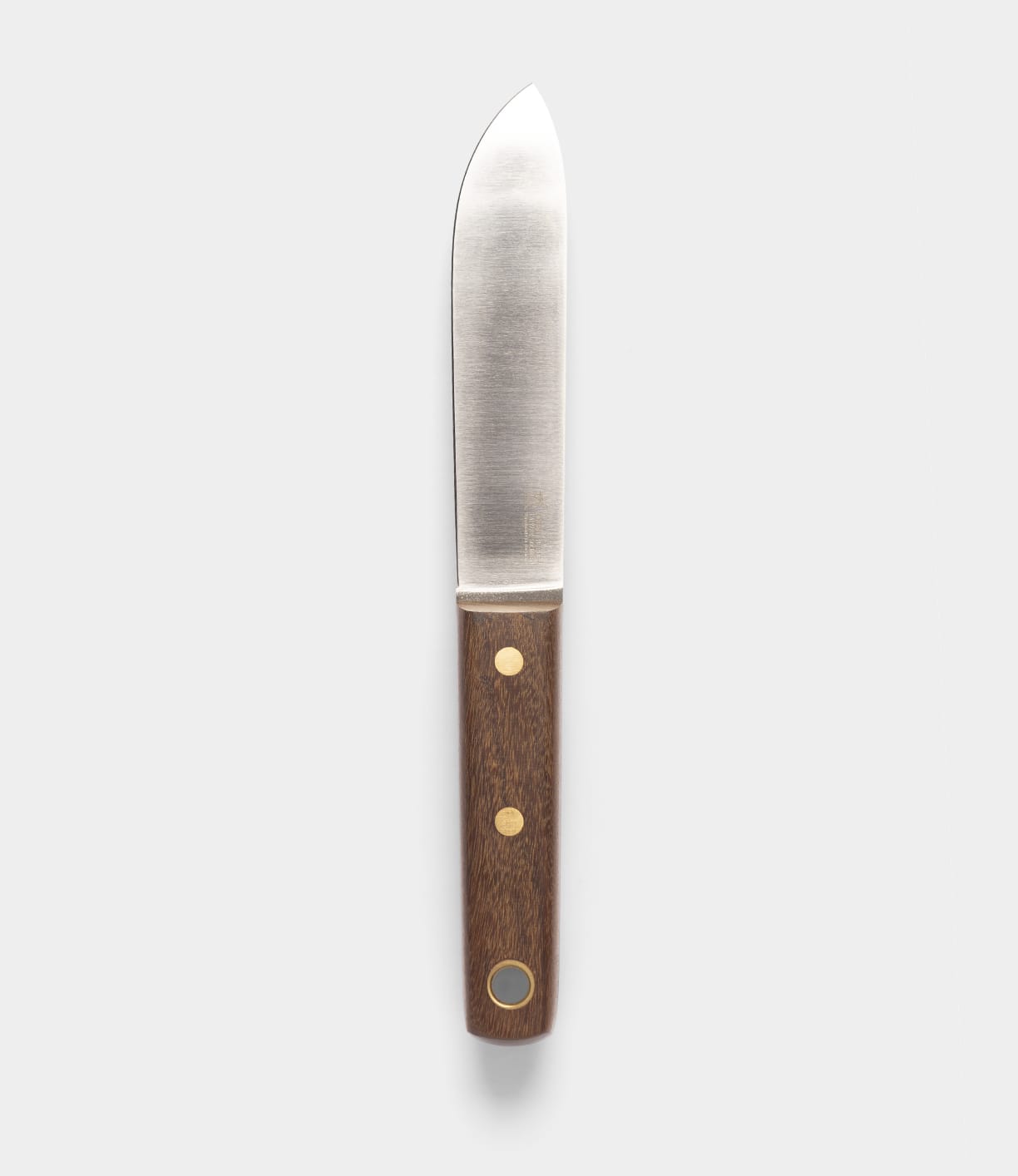
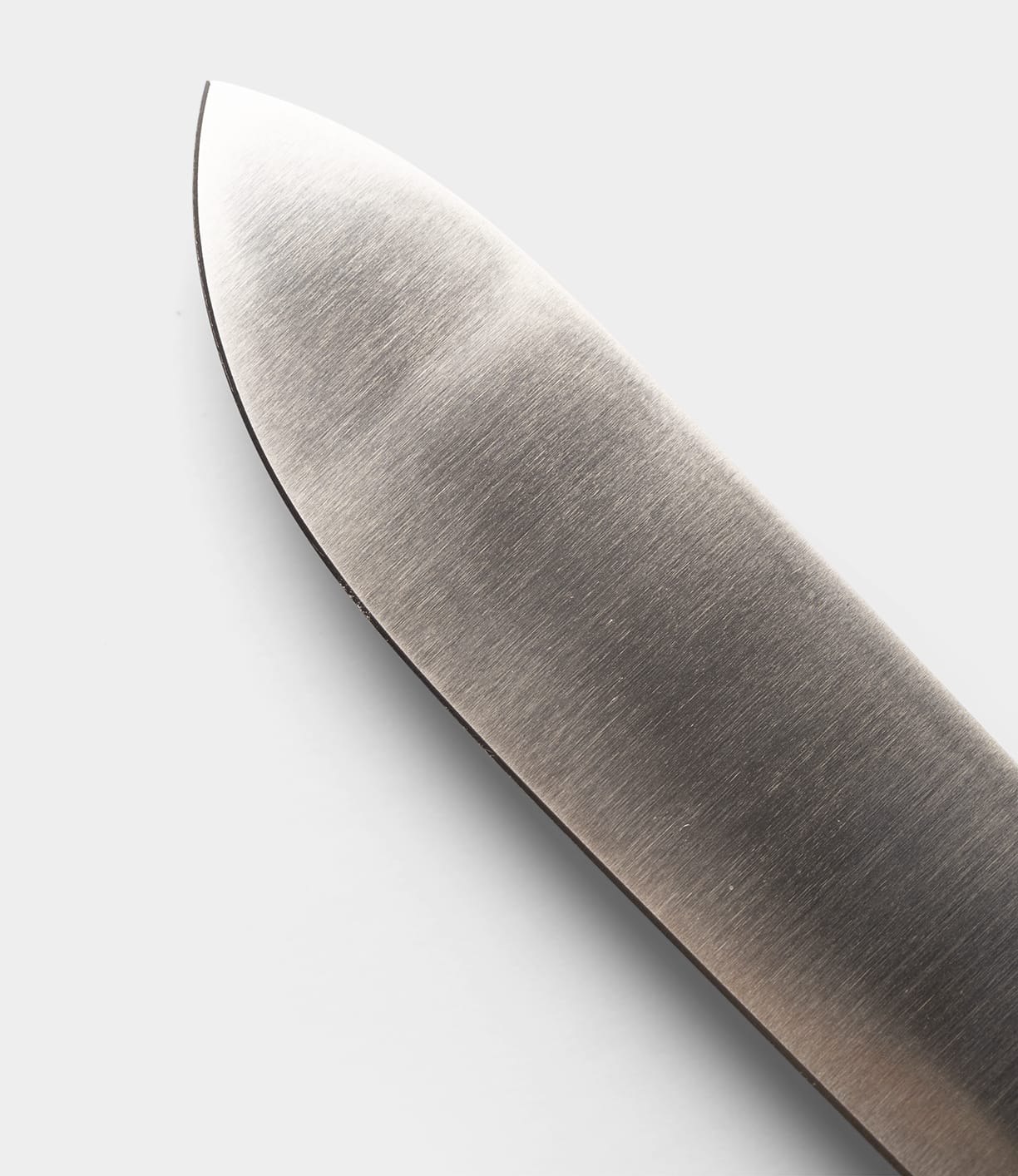
- Blade: German stainless steel 1.4197.02, niobium-alloyed (Niolox family)
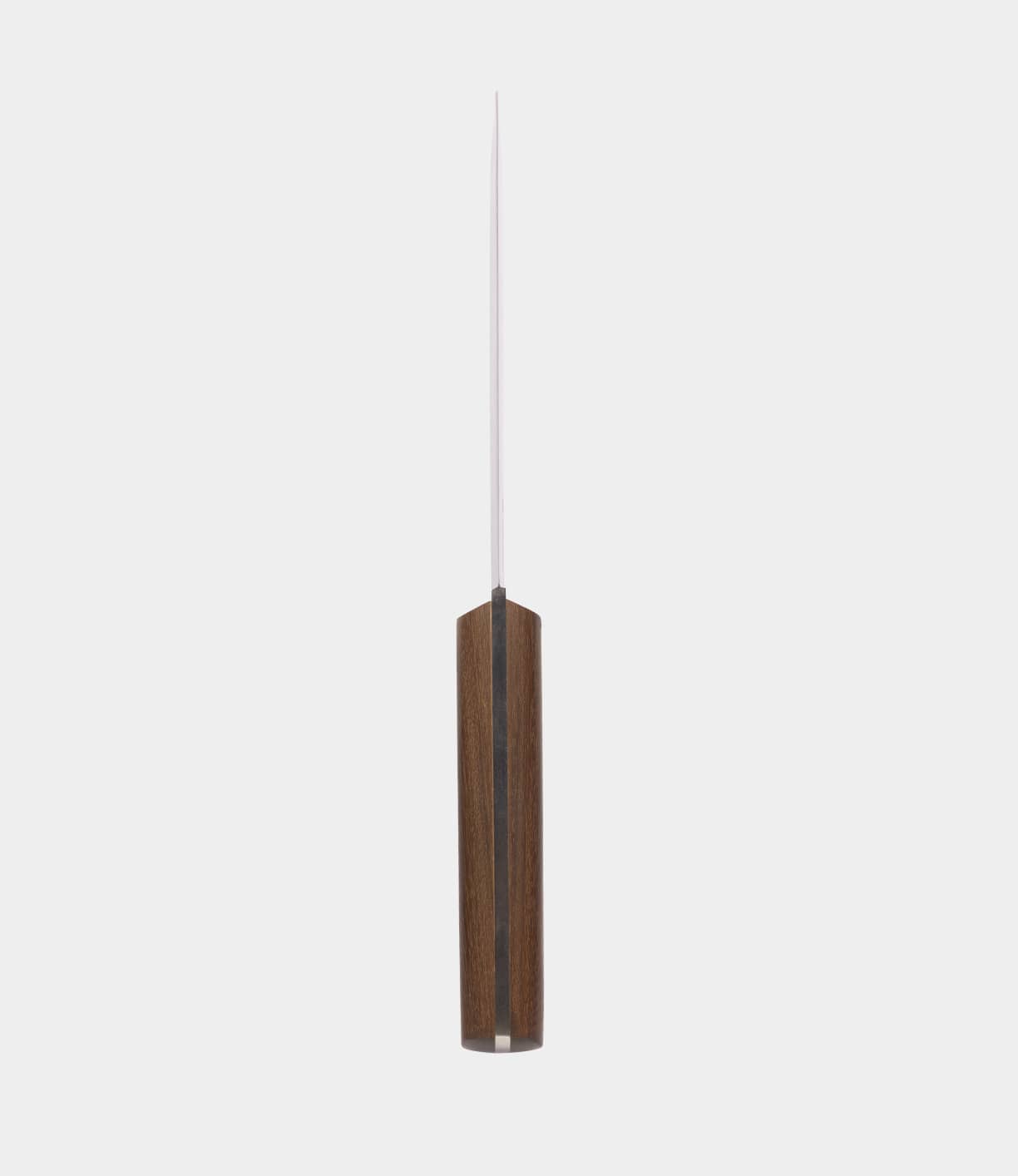
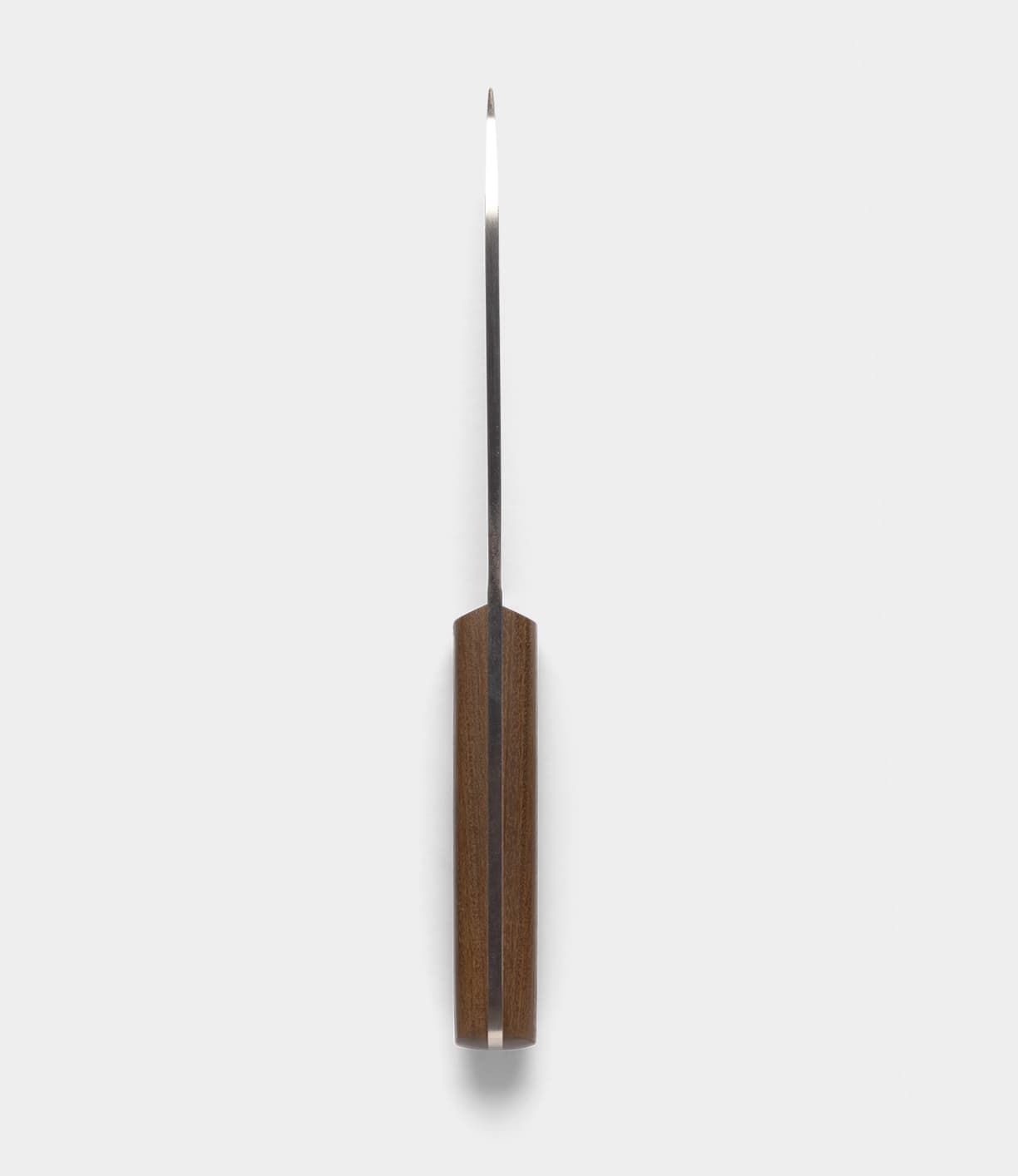
- Handle: Salvaged Cumarú wood, submerged in the Panama Canal for over a century
- Rivets & lanyard hole: Brass
- Sheath: Cowhide leather
- Handle: Salvaged Cumarú wood, submerged in the Panama Canal for over a century
- Rivets & lanyard hole: Brass
- Sheath: Cowhide leather
Blade Length: 5.5"
Total Length: 9.5"
Total Length: 9.5"
Rinse the blade and handle with fresh water after saltwater use and wipe dry: the steel is stainless and the Cumarú spent a century underwater, but neither should sit wet. Maintain the convex edge by stropping on leather rather than using pull-through sharpeners, which will flatten the grind. Oil the handle and condition the leather sheath a few times a year, and avoid storing the knife in the sheath, since leather holds moisture against the blade. The brass will patina in salt air.
Made in Germany