
Knit Lambswool CPO
Knit Lambswool CPO
Regular price
$428.00
Regular price
Sale price
$428.00
Unit price
per
-
 NEW
NEW -
 NEW
NEW -
 NEW
NEW -
 NEW
NEW -
 NEW
NEW -
 NEW
NEW -
 NEW
NEW -
 NEW
NEW -
 NEW
NEW -
 NEW
NEW -
 NEW
NEW -
 NEW
NEW



Product Details
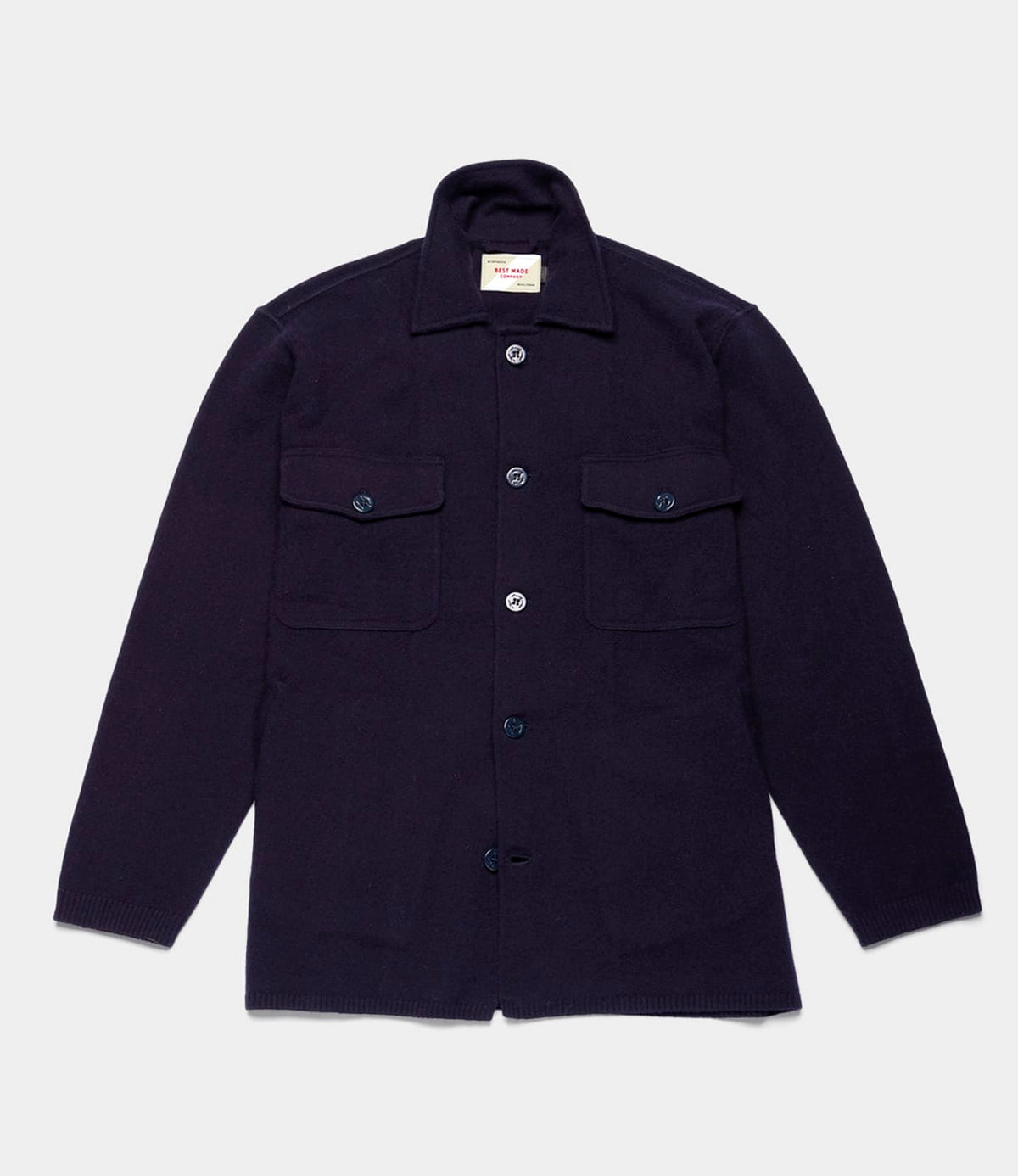
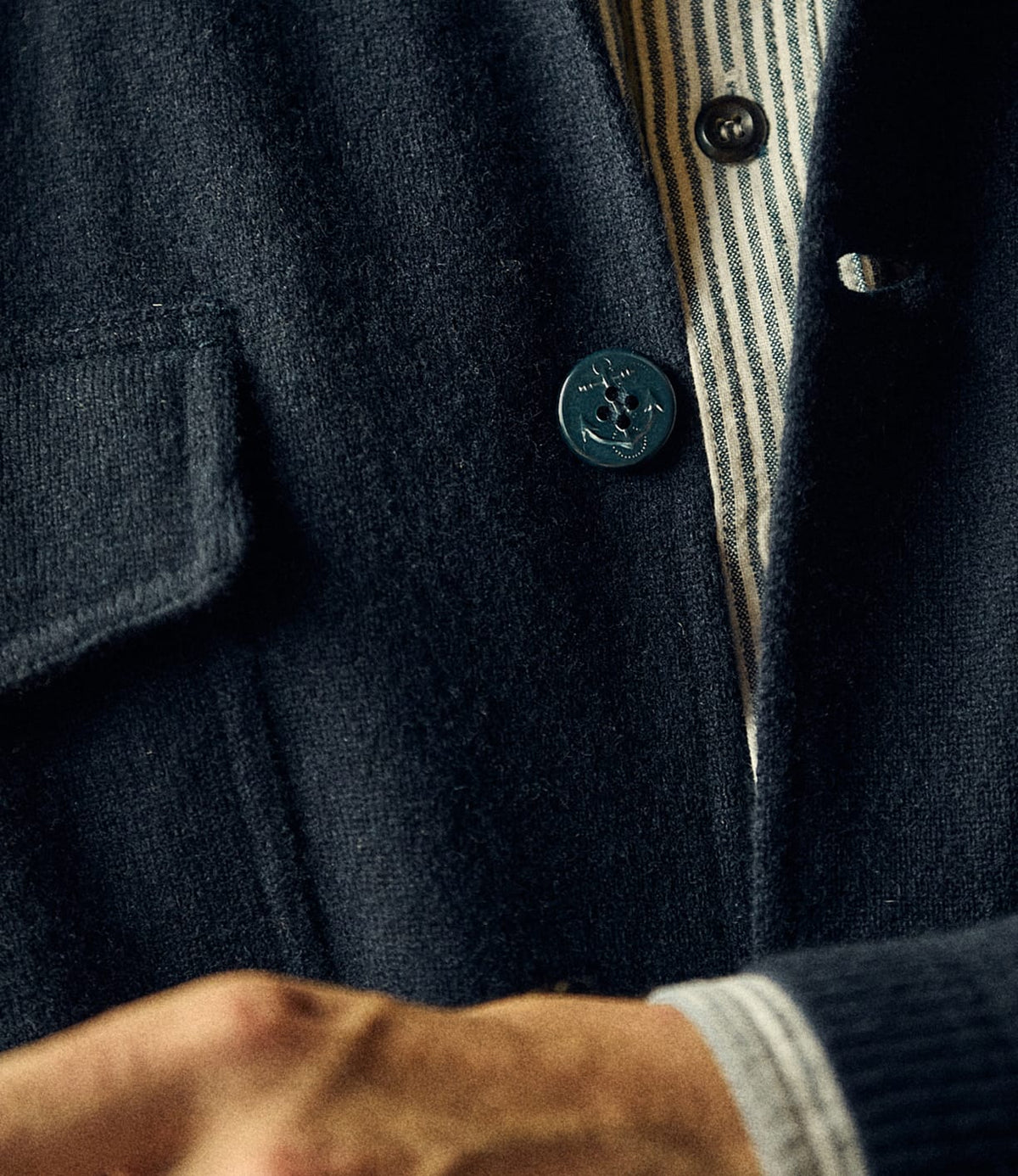
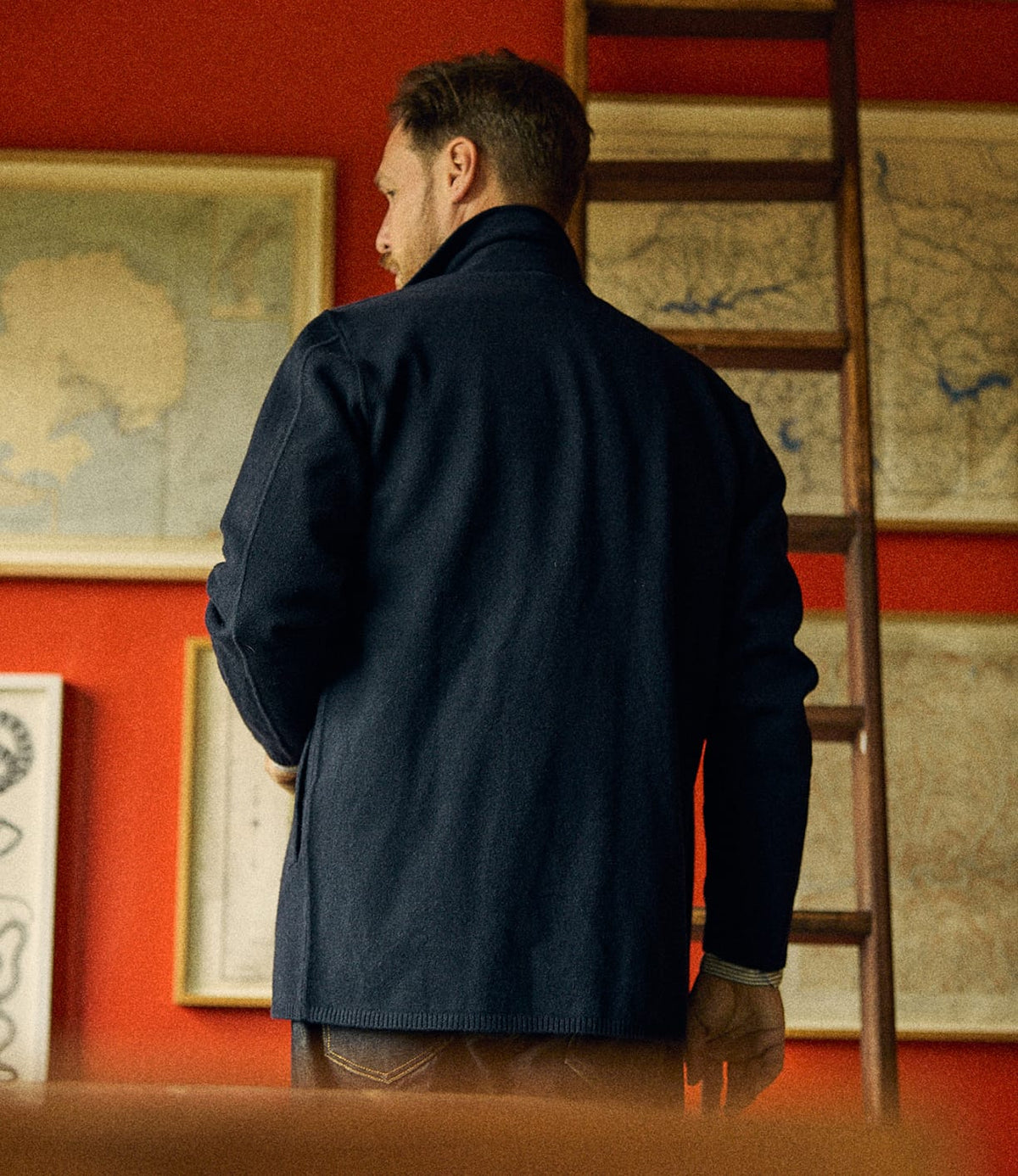
Sailors in the US Navy called it the CPO; it was issued between the First and Second World Wars and named after the Chief Petty Officers who wore it. They cut it generously from heavy Melton wool so sailors could wear it over a sweater as outerwear, the first layer against the nautical elements. Its dark color hid the wear of shipboard work, and its anchor-stamped urea buttons held up to salt, weather, and constant use.
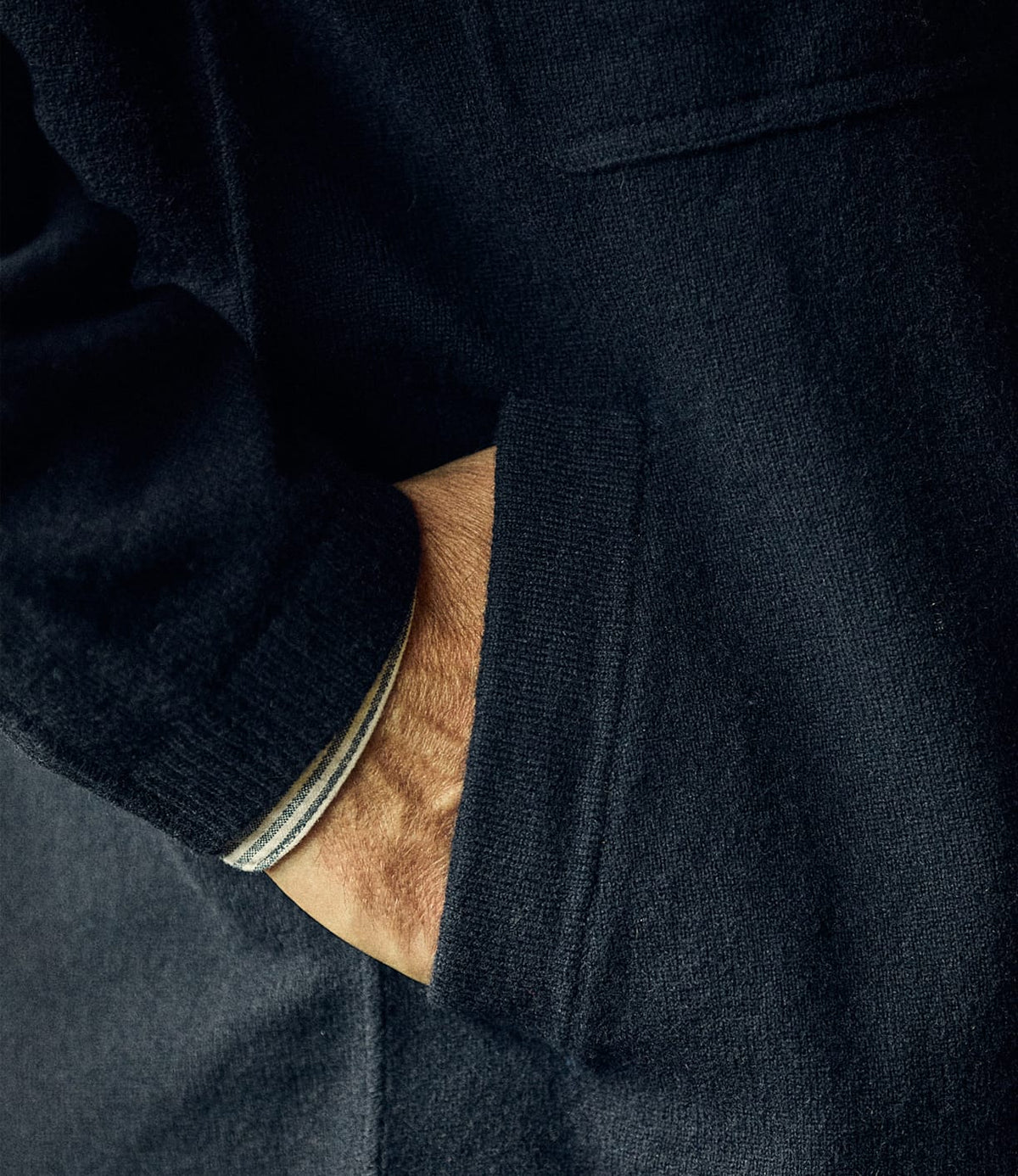
The design changed very little over its service life. During the Second World War, the two chest pockets were reduced to one to simplify production, and the second pocket returned in the late 1940s. Traditionally, they had no hand pockets. A sailor with his hands in his pockets was considered out of uniform.
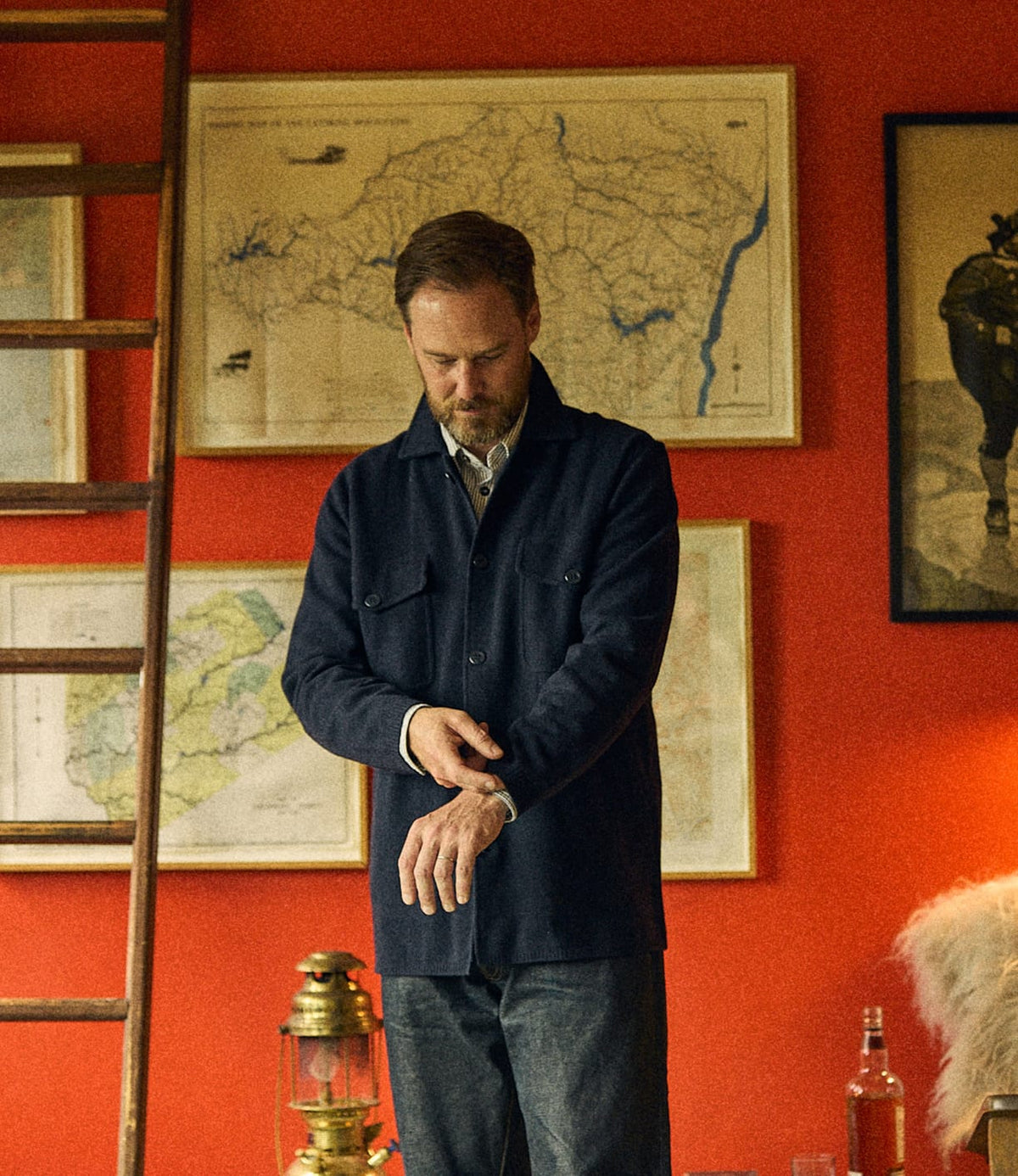
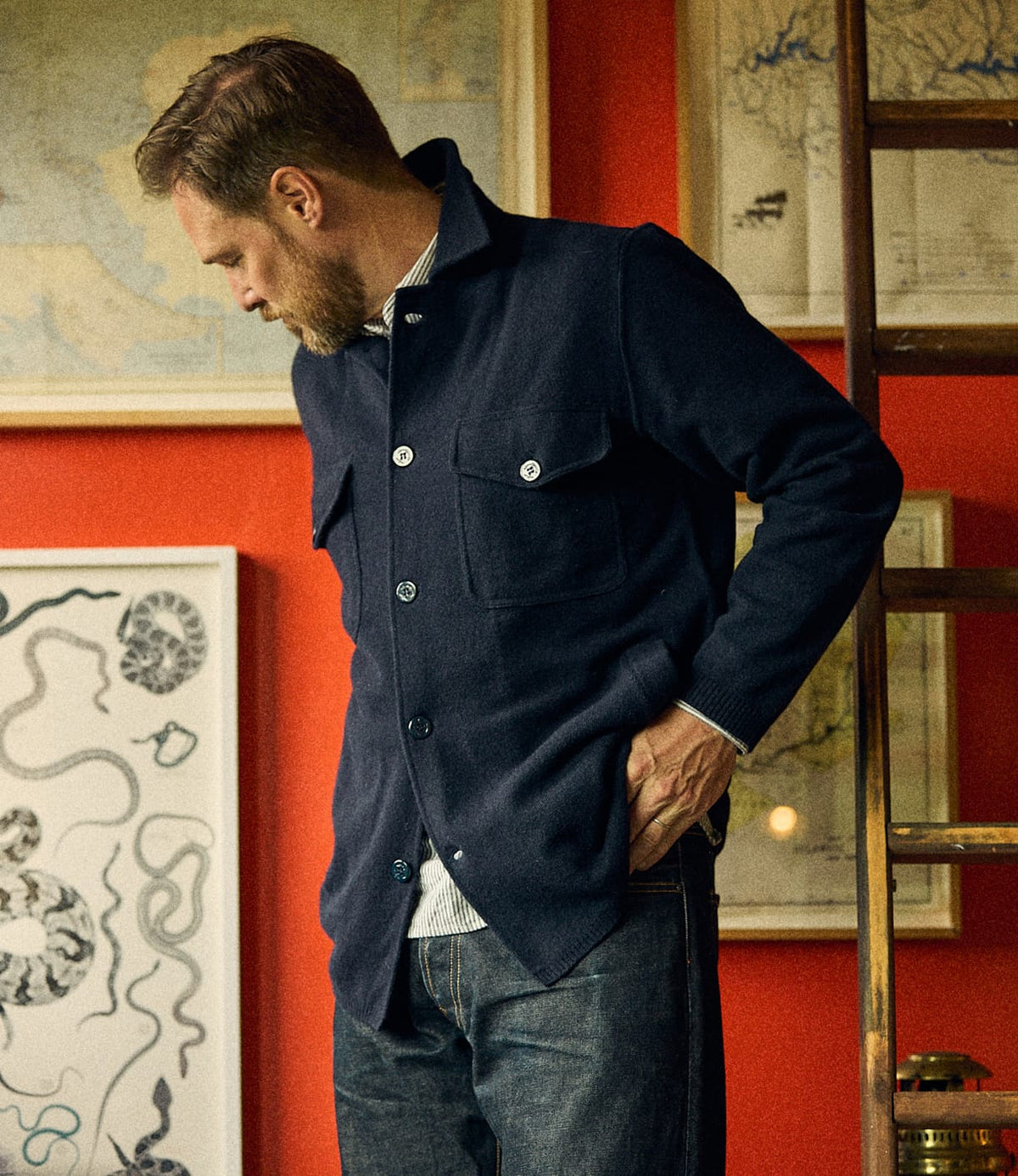
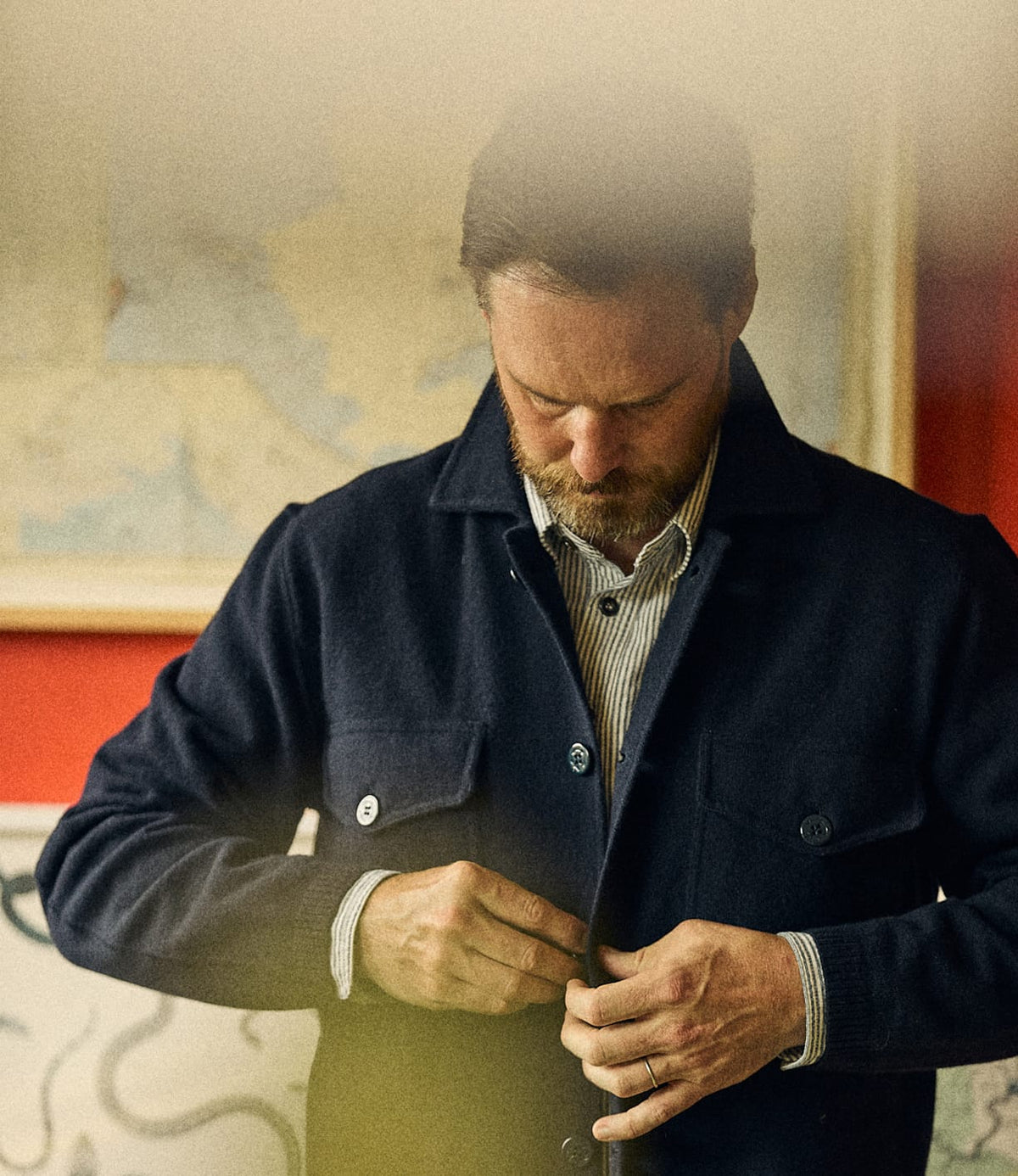
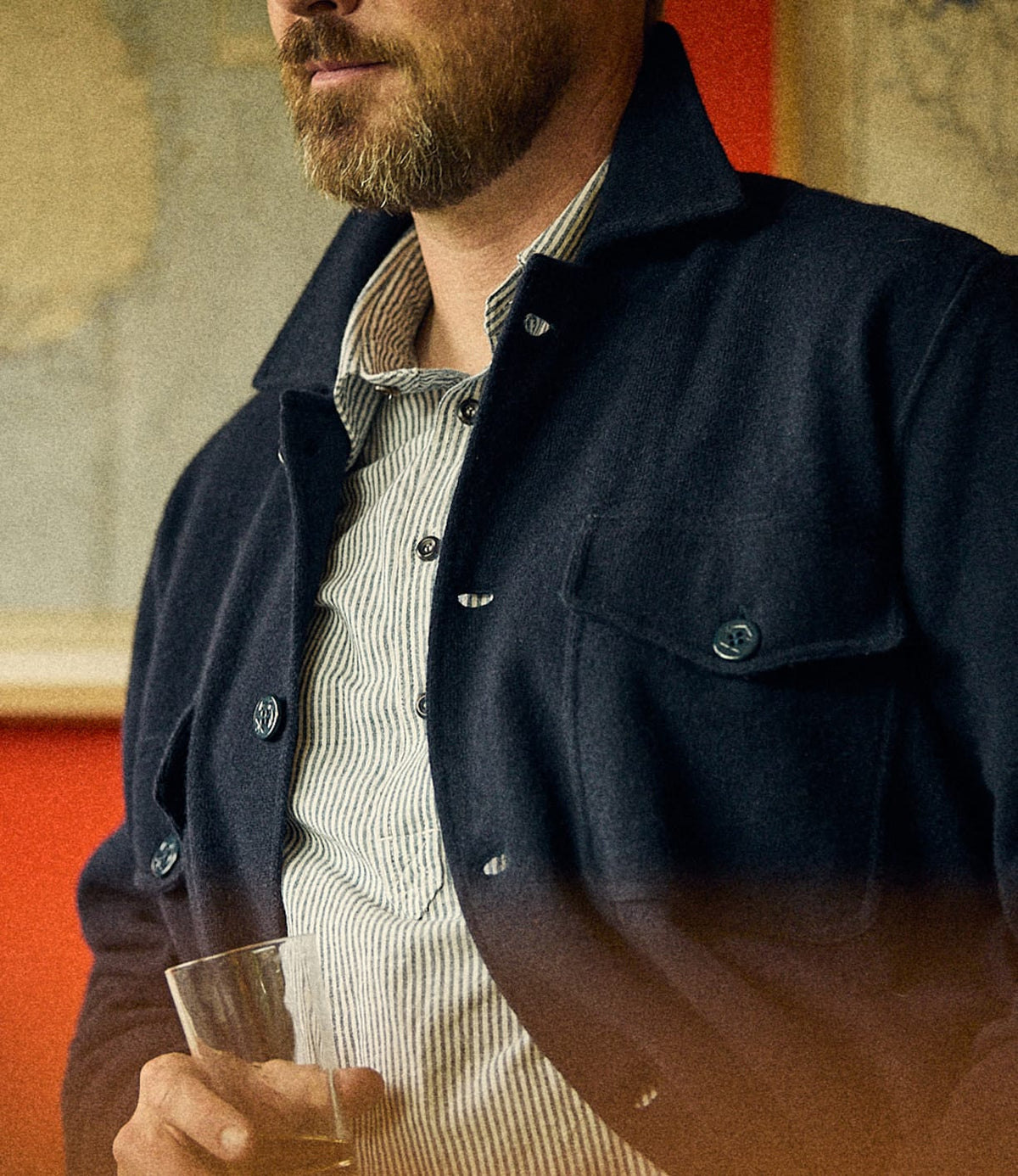
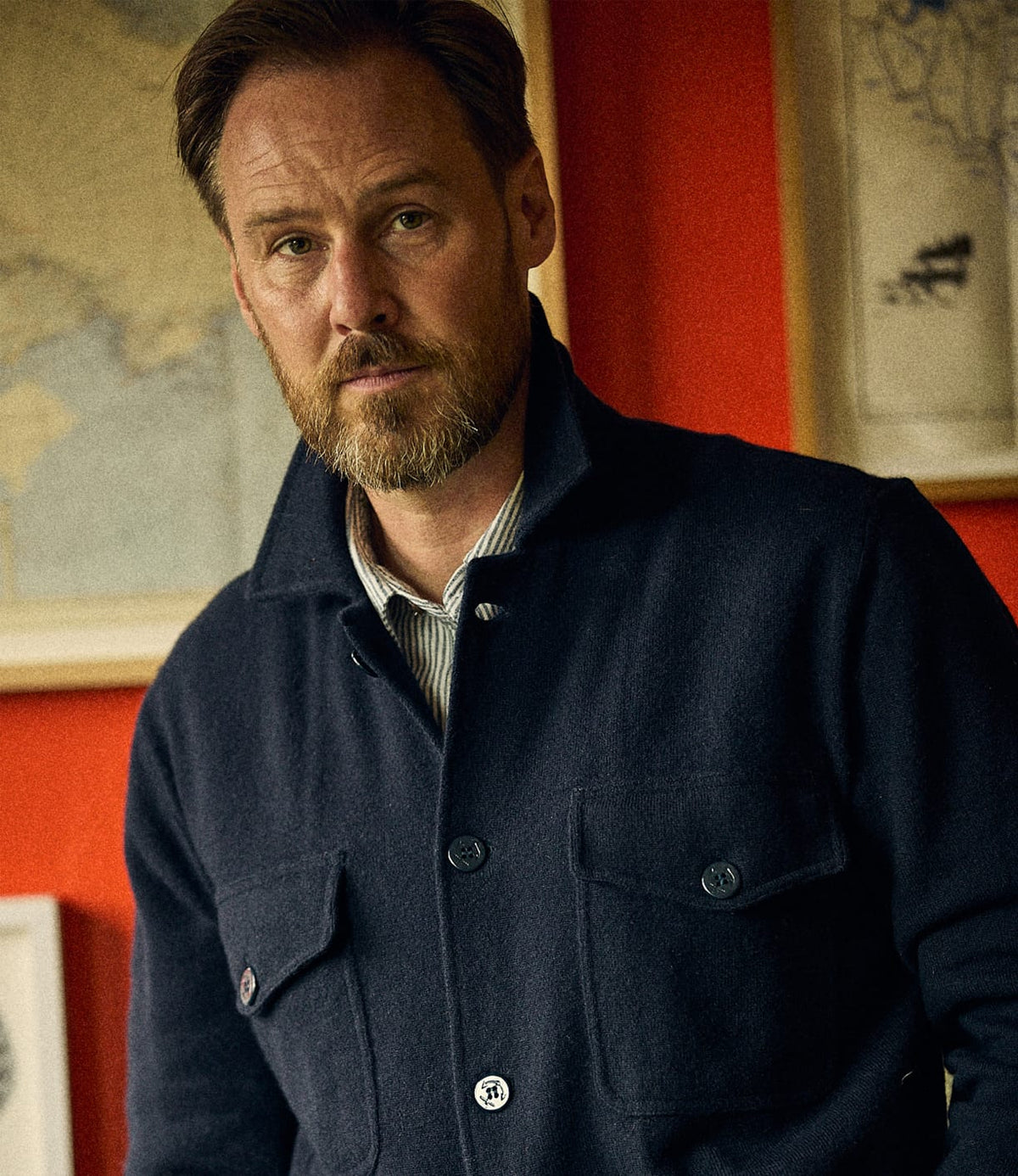
After the war, surplus CPOs filled army-navy stores, where outdoorsmen, tradesmen, and returning sailors bought them in scores. By the 1960s, “CPO” had come to mean an entire category of heavy wool overshirts. Ours keeps the two flap pockets and the anchor buttons, adds the hand pockets the Navy never permitted, and replaces woven wool with a knit that moves as freely as a sweater.
The design changed very little over its service life. During the Second World War, the two chest pockets were reduced to one to simplify production, and the second pocket returned in the late 1940s. Traditionally, they had no hand pockets. A sailor with his hands in his pockets was considered out of uniform.
After the war, surplus CPOs filled army-navy stores, where outdoorsmen, tradesmen, and returning sailors bought them in scores. By the 1960s, “CPO” had come to mean an entire category of heavy wool overshirts. Ours keeps the two flap pockets and the anchor buttons, adds the hand pockets the Navy never permitted, and replaces woven wool with a knit that moves as freely as a sweater.

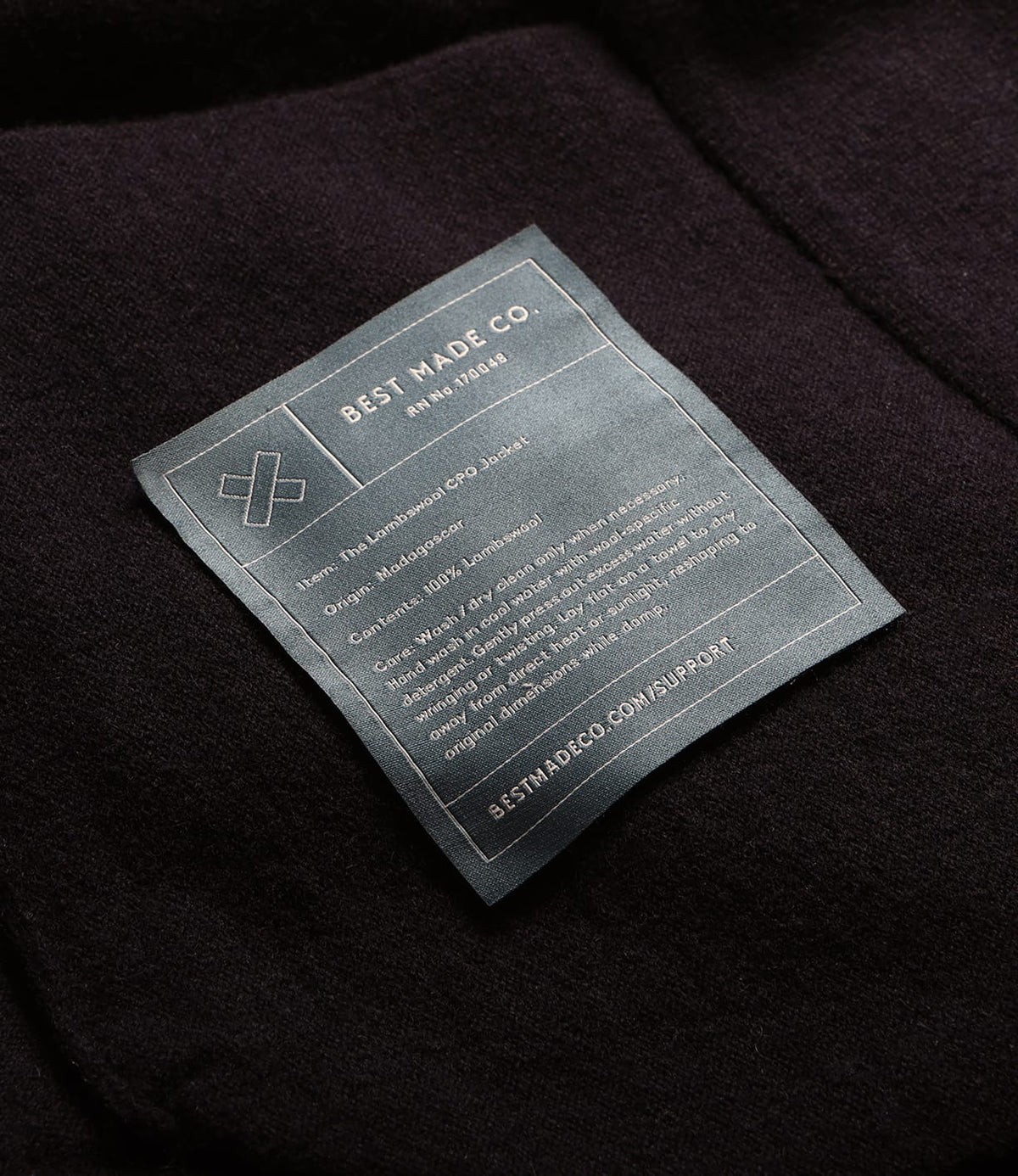
- 100% New Zealand lambswool
- Urea buttons
- Urea buttons
Wool asks for little. Air it out between wears and it will rarely need washing. When it does, hand wash in cold water with a wool detergent, or have it dry cleaned. Press the water out gently without wringing, then lay it flat on a towel to dry, reshaping it while damp. Never tumble dry.
Store it folded, never on a hanger, which stretches a knit at the shoulders. Cedar in the drawer will keep moths away.
Store it folded, never on a hanger, which stretches a knit at the shoulders. Cedar in the drawer will keep moths away.
Made in Madagascar